

Gregory S. McNeal, J.D., Ph.D.
Gregory S. McNeal is Chairman of the Board of Exyn Technologies (Nasdaq: EXYN), an autonomy, robotics, and AI company serving civilian and military customers. He advised Exyn through its 2026 IPO and now chairs its Nominating and Governance Committee and its Defense Advisory Board, and he sits on the Audit and Compensation Committees.
Exyn follows two companies he helped build. AirMap, which he co-founded and served on the board of, was a multinational aerospace and defense software company that pioneered digital airspace management for drones before its acquisition in 2021. Fast Company named it one of the “World’s Most Innovative Companies,” Inc. Magazine called it a “25 Most Disruptive” company, and it received a CES Innovation Award from the Consumer Technology Association along with a Los Angeles Business Journal Innovation Award. SailPlanAI was his next venture, a maritime AI company with civilian, government, and military customers, where he was an early investor and served as Executive Chairman through its acquisition in 2026.
McNeal invests in and works with companies and entrepreneurs in AI, defense, robotics, and entertainment, among others. Companies he founded or led have raised capital from corporate investors including Microsoft, Flexport, Sony, Qualcomm, Airbus, Rakuten, and Baidu, and from institutional and venture investors including Temasek, Macquarie, In-Q-Tel, Greycroft, Social Capital, General Catalyst, Lux Capital, Bullpen Capital, and Teamworthy Ventures.
At Pepperdine University, he is a tenured Professor of Law and Public Policy and a faculty member of the Palmer Center for Entrepreneurship and the Law, where he teaches Internet Law, Privacy Law, and courses related to technology law and policy. His scholarship has appeared in the Texas Law Review, the Georgetown Law Journal, and the George Washington Law Review, among others. His article Targeted Killing and Accountability won the 2013 Article of the Year award from the American National Section of the International Association of Penal Law. He has two forthcoming books, Learning Privacy Law and AI Governance, and AI Governance for Boards and Executives. He also holds the AIGP credential in AI governance and the CIPM credential in privacy management.
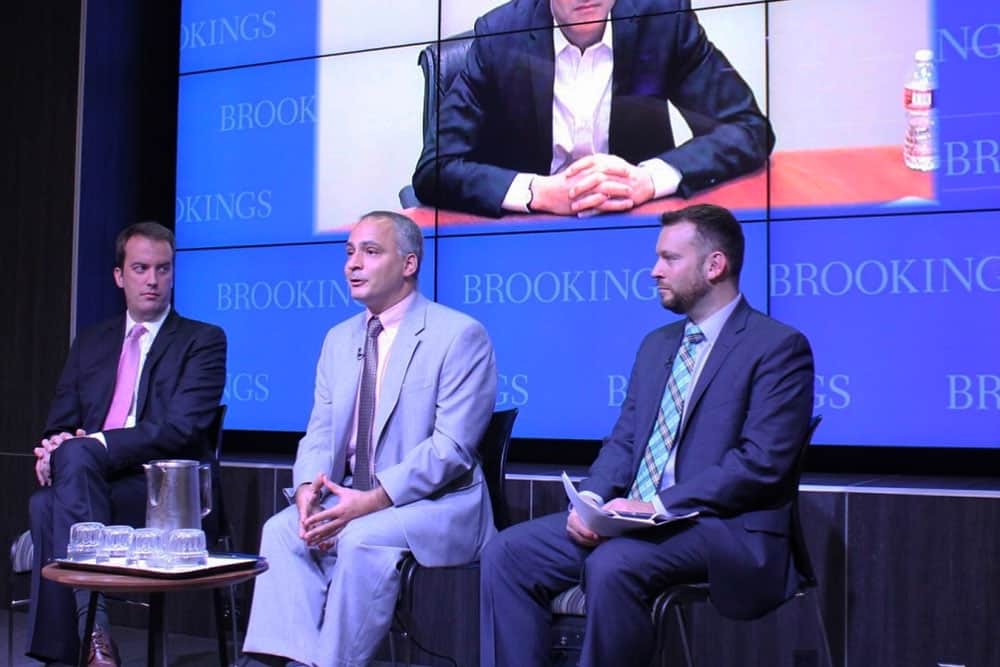
He has testified before Congress and state legislatures about entrepreneurship and emerging technology, served on FAA and DOT rulemaking committees by Cabinet appointment, and advised the White House, the Department of Defense, the State Department, and independent regulatory agencies on technology law and policy. State legislators, cities, municipalities, and executive branch officials have brought him in to help draft legislation and ordinances on emerging technology, and the Uniform Law Commission named him Reporter for its Tort Law Relating to Drones Act. The NTIA included him in its multistakeholder process on privacy, transparency, and accountability in commercial and private drone use, and he has presented at the Federal Trade Commission’s Fall Technology Series on drones.
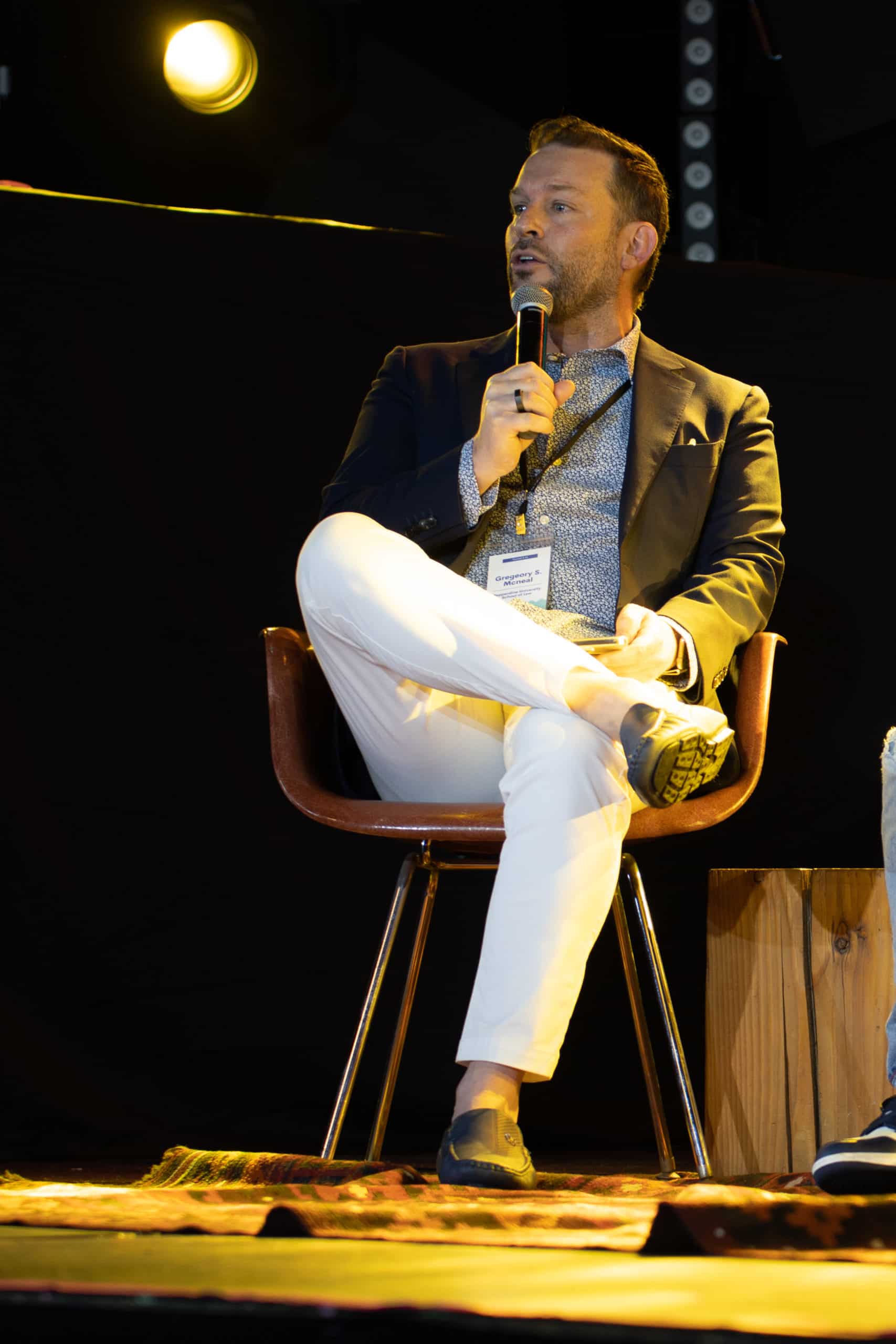
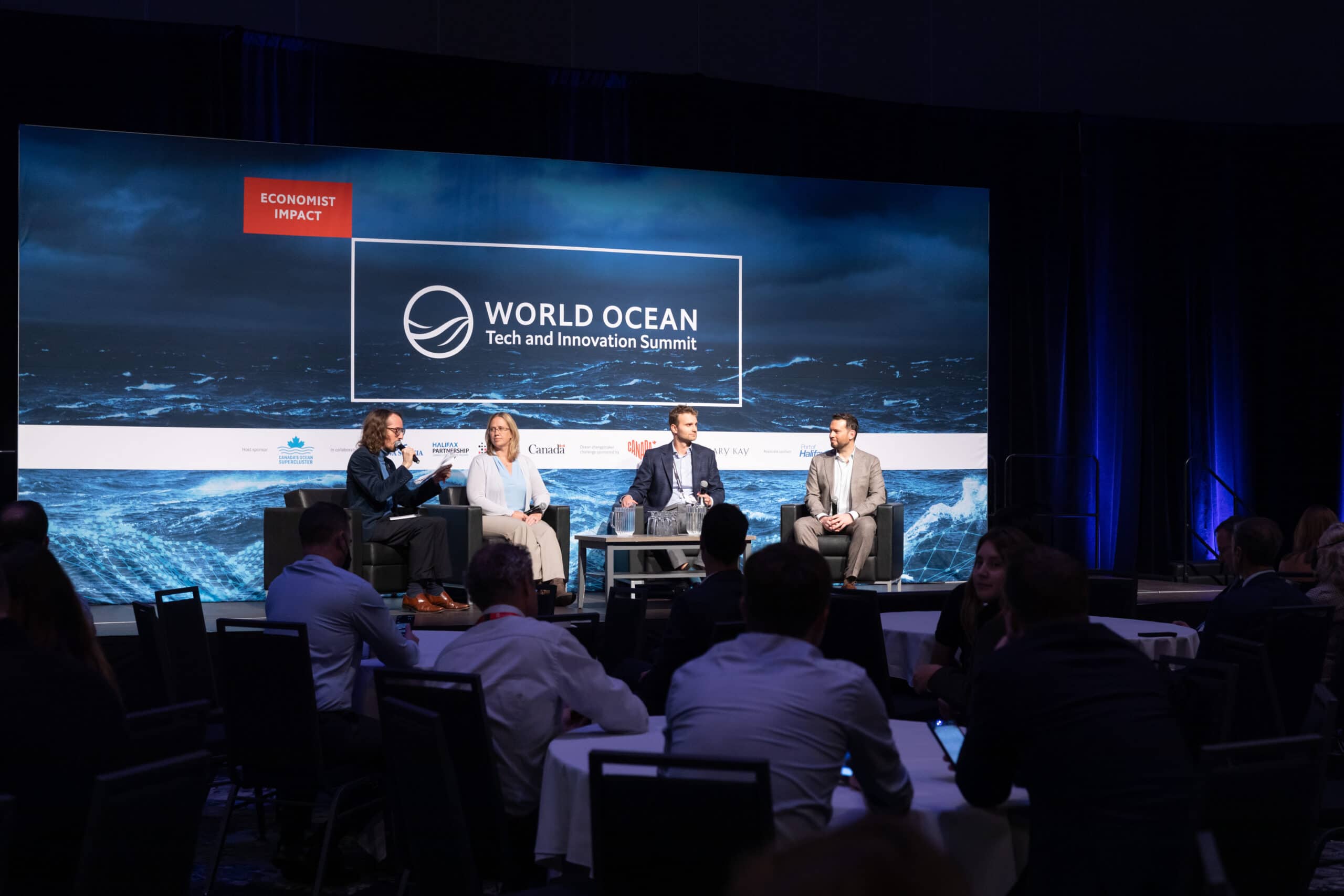
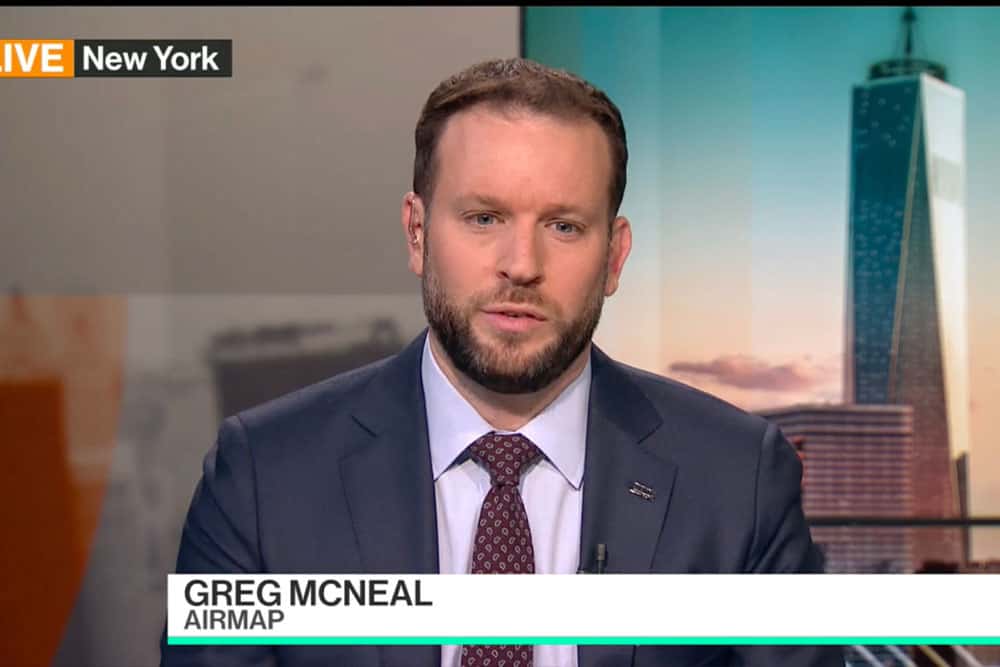
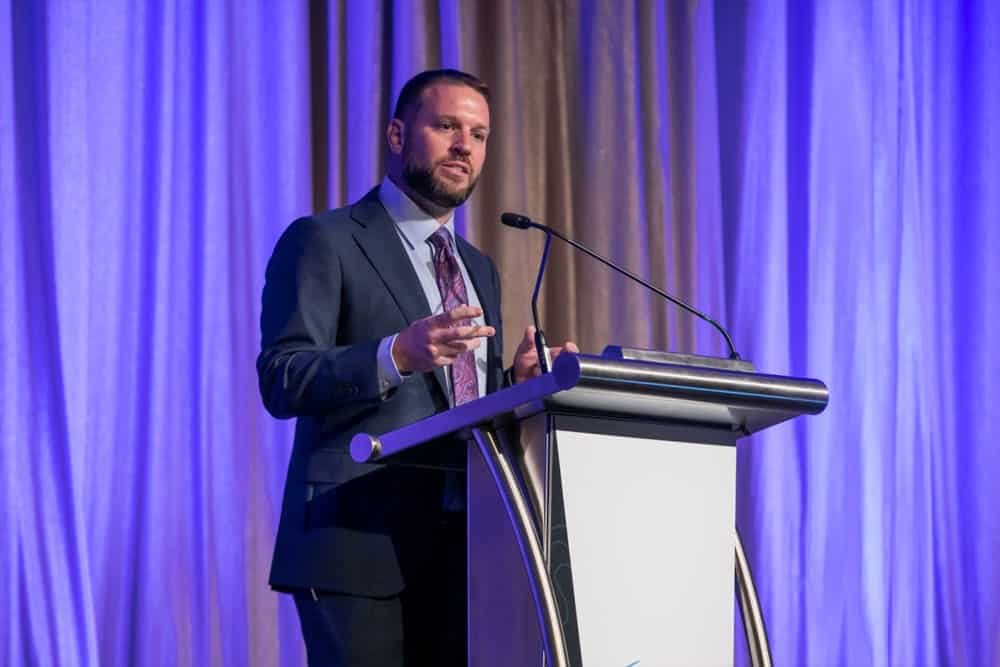
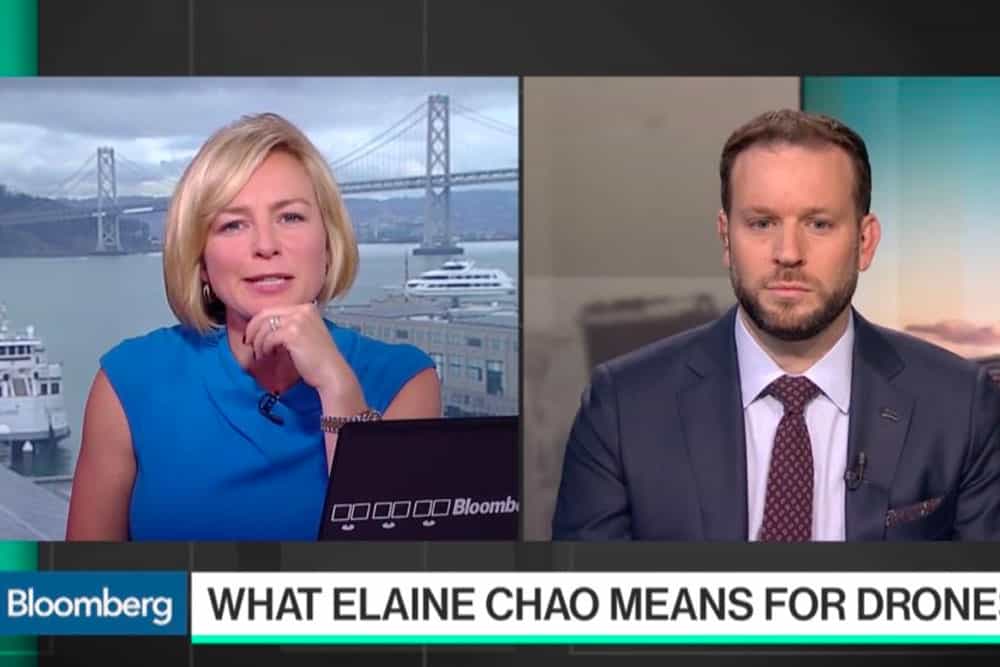
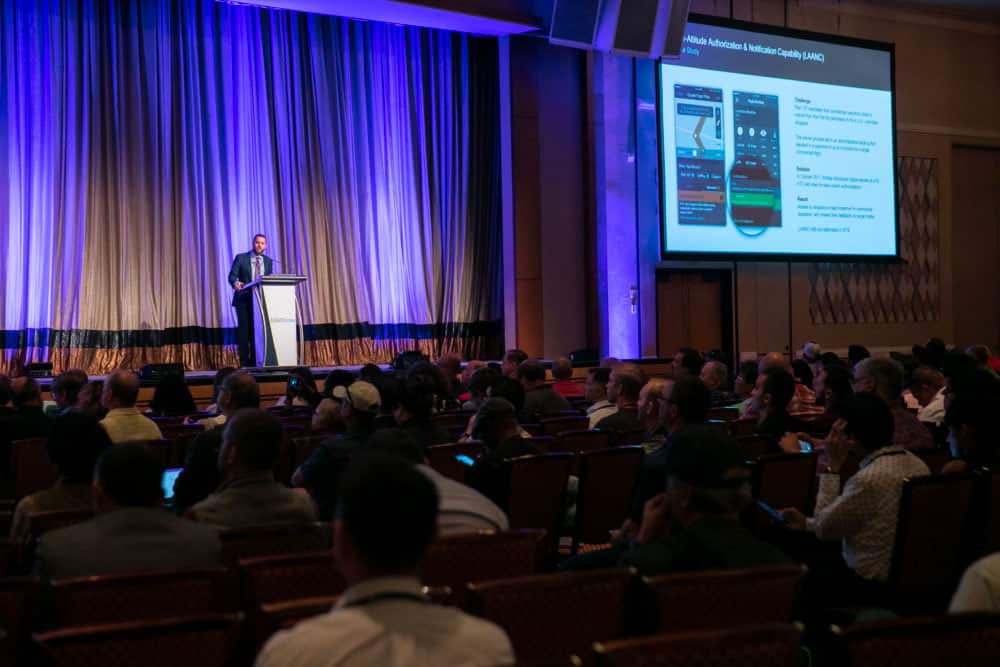
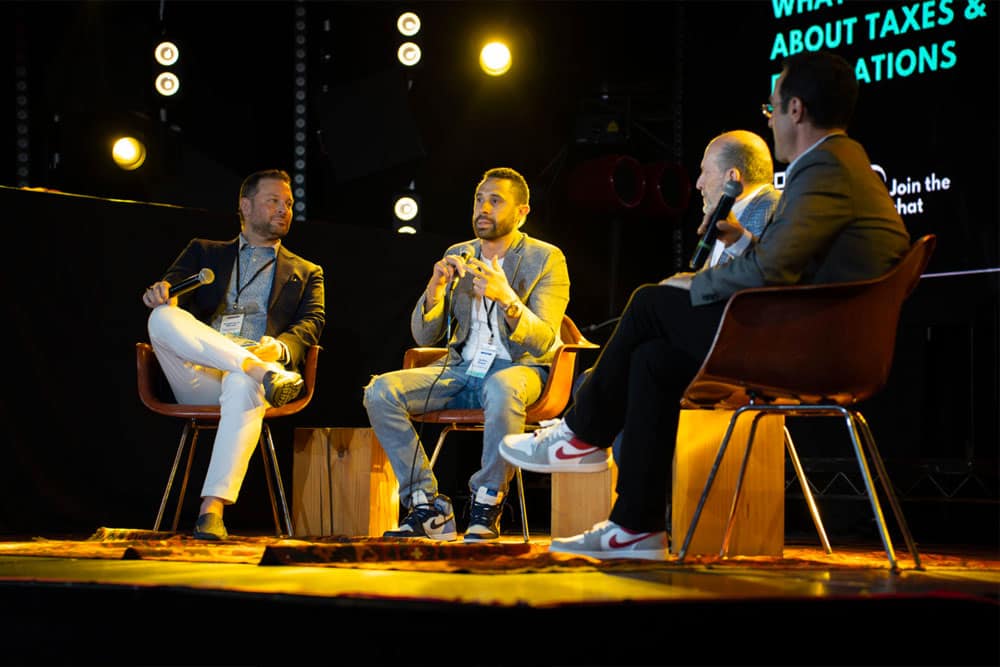
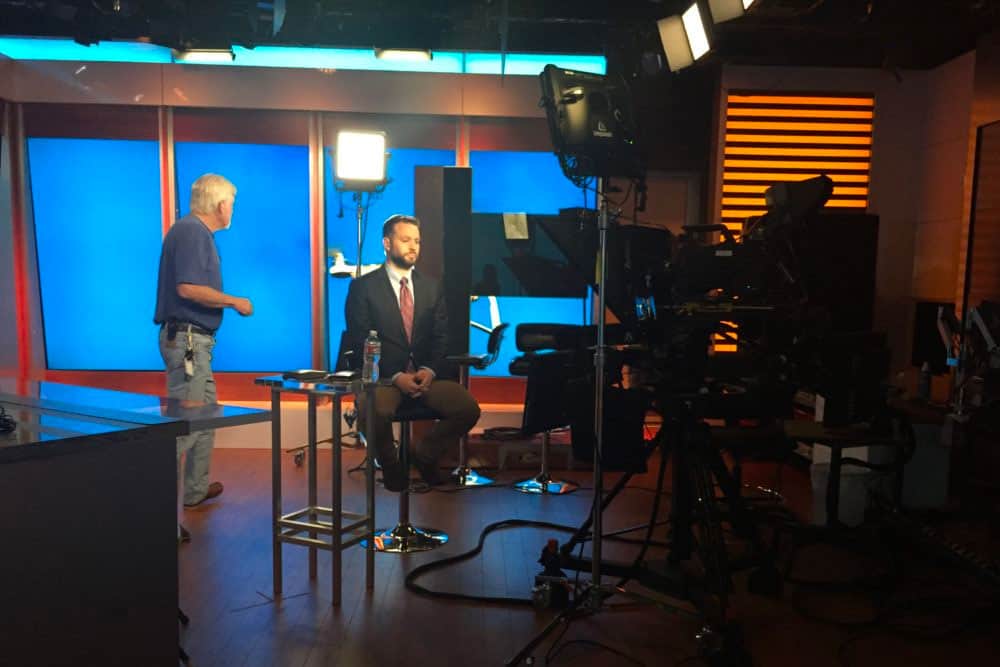
He is a frequent keynote speaker at industry events and academic conferences related to technology, law, and public policy. For over a decade, he wrote a column on business and technology for Forbes, and his bylined commentary, op-eds, and analysis have appeared in The New York Times, The Washington Times, Foreign Policy, The Weekly Standard, National Review, The National Interest, and The Baltimore Sun. CNN, CNBC, Fox News Channel, Bloomberg, and NPR have all had him on television and radio to discuss technology and business.
McNeal is an independent director of the live events company KISMI and is credited as a producer on seven films, including the documentary To the Journey: Looking Back at Star Trek: Voyager.
His earlier work was in national security and international criminal law. He served as a legal consultant to the Chief Prosecutor of the Department of Defense Office of Military Commissions on the prosecution of suspected terrorists held at Guantánamo Bay, and he was an academic consultant to the State Department’s Regime Crimes Liaison Office and the Iraqi High Tribunal during the trial of Saddam Hussein. He helped draft the Army’s Civilian Casualty Mitigation field manual, the Army’s first doctrine devoted to preventing and mitigating harm to civilians in combat, authoring two of its sections and hosting at Pepperdine the military and NGO working group that finalized it for publication. He also served as an expert commentator on draft versions of the Army War College Peacekeeping and Stability Operations Institute’s Protection of Civilians Military Reference Guide.
McNeal was the first in his family to attend college and in his early career was an officer in the United States Army.







Featured in


