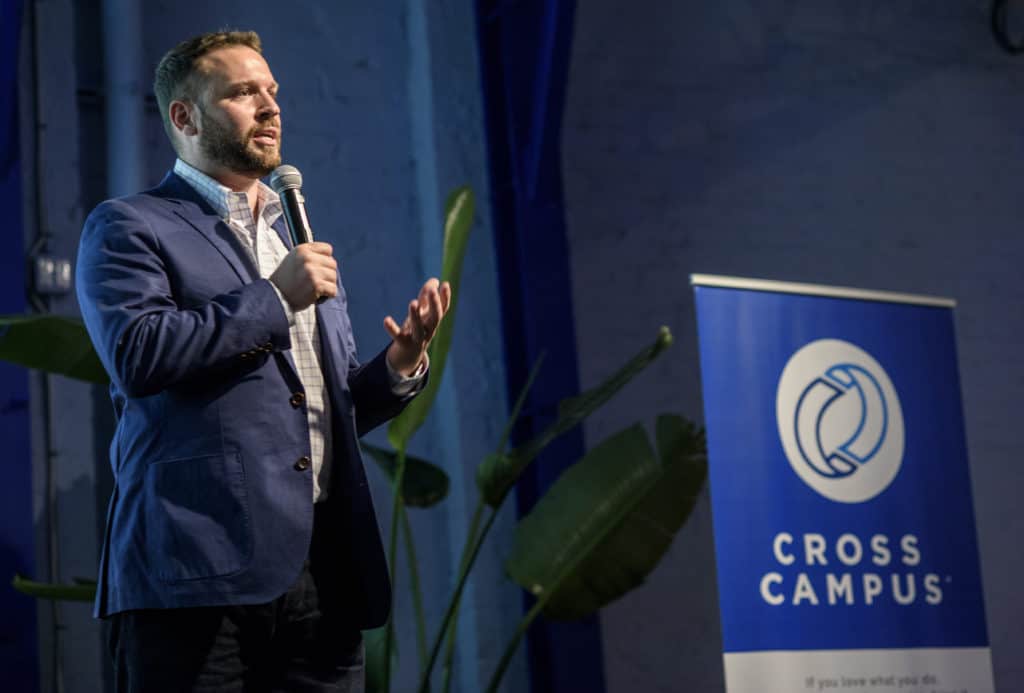
Keynote Speaker
Keynotes For Companies Facing Faster Competitors And New Technology

Speaking Highlights

Keynotes For Business Leaders
Greg McNeal is a former founder and C-suite executive, and the current chairman of a Nasdaq listed autonomy, AI and robotics company serving military and civilian customers. Those roles give him a working view of how companies innovate, how they get new products out the door, and what they do when market or political forces turn against them. When a large company meets a faster competitor, or disruption it did not plan for, Greg helps its leaders decide what to do next.
He has also argued industry’s case at the highest levels of government. In front of Congress, federal agencies and the White House, Greg has shown officials where their own proposals were standing between companies and the products those companies were ready to build, and he has put a workable alternative on the table each time.
Science fiction is where our culture argues about technology before the technology exists. Greg takes stories most of the room can already quote and puts them against decisions those same executives have open right now, beginning with a captain who commits on partial information because waiting would cost more than being wrong, a crew that improvises well because someone gave it standing permission to improvise long before the emergency, and an economy without scarcity that turns out to describe a productivity gain fairly well. He spends as much time on where the genre misleads, since decades of films taught audiences that machine autonomy announces itself as an enemy, which is why executives do not recognize automation when it arrives as a line item in a logistics budget. Greg draws on Star Trek, Star Wars, Terminator, I Robot, For All Mankind and Project Hail Mary, and he keeps the hopeful films in the mix on purpose, because a session that followed the apocalyptic ones to their endings would leave an operations audience with nothing to do on Monday. The keynote comes from his forthcoming book of the same name and runs as one session or as twenty minute segments across a multi day program.
Incumbents lose the low end of their market because they treat a cheaper entrant as an engineering problem. Greg watched that from inside AirMap, an aerospace company that sold into a market held by established aviation and defense suppliers, where he also raised money from the corporate investors who were watching that market change. He is now chairman of the board of Exyn Technologies (Nasdaq: EXYN). Greg has watched boards answer a cheaper competitor with a feature roadmap when that competitor’s real advantage came from its pricing model and from the cost base it never had to carry. He walks a room through what is still available once the entrant has paying customers, including buying it, funding it, partnering with it, or giving up the low end on purpose to protect margin.
Greg predicts that humanoid robots reach commercial use between 2027 and 2029, the way generative AI reached it in 2022, and that most companies will be no readier the second time. He covers what these machines can and cannot do today, which jobs and workflows change first, and which procurement and retraining decisions an operations leader can make this year instead of in the middle of the shift. Behind the robots he puts a second prediction, that cybernetic enhancement of people follows on a longer timeline, raising questions about consent and competitive pressure that reach HR and operations leaders inside this decade.
Leaving To Build: What The First Year Actually Costs
Greg wrote this session for the managers and senior individual contributors who have been telling themselves for years that they will start something. He co-founded AirMap, raised venture capital from corporate and institutional investors, and went through an acquisition. He opens with what the first year costs, in money and in the habits that got them promoted and then stop working at a company small enough that there is nobody to delegate to. Greg spends the rest of the session comparing the risks they keep weighing against the ones that actually end early companies, which are usually a different list.
The Cost Of Caution
Greg has asked boards for decisions as an operator and now gives them as a public company chairman, and he opens on the price an organization pays while it waits. He describes a delay that surfaces two years later as a product behind a competitor who committed earlier, and as the departure of the people who were told to wait. He shows audiences how to put a number on the delay itself, so a request for another quarter of study gets defended in the room the same way a spending request does.
Greg named the static market fallacy for the assumption buried in a revenue forecast or a build or buy decision, which is that the market and the vendor capability described at diligence will still be there when the plan is executed. He traces where that assumption enters a plan and what it costs when the plan runs against capability that improved several times over while the plan was still in review. Greg’s examples come from the drone airspace market he built AirMap into and from the autonomy work he oversees now as chairman of Exyn Technologies.
Where I Have Spoken































Commentary And Coverage
Quoted, interviewed and published over 200 times








































Keynotes For Law And Policy Audiences
Greg is a tenured professor of law and public policy who has testified before Congress and state legislatures, drafted legislation with state and municipal officials, and been appointed by Cabinet officials to federal rulemaking committees. Organizations that want a business leader who also happens to be an attorney book him for the sessions below.
What the new AI rules require of a company, stated in plain language, and an answer to the question employees keep asking about which tools they are allowed to use this quarter. Engineers and frontline managers leave with the same working rules, so a hall of a thousand people hears one version of the policy instead of four departments each inventing their own. The session draws on Greg’s forthcoming book on AI governance for boards and leaders.
Greg walks through the coalition working to slow AI down, starting with the incumbent firms that treat regulation as a moat and ending with the advocacy groups reusing a playbook they have run against every earlier technology. By the end of the hour a department manager in the audience can look at a proposed AI rule and work out whose competitors it would hobble.
No Exit: Antitrust, Acquisitions, And The Startup Economy
Founders and their investors build most companies with an acquisition in mind from the first financing round, and large employers use those same acquisitions to enter new markets. When enforcers block the deals, the slowdown reaches hiring plans and capital budgets at the companies your audience works for, months before the business press treats it as an antitrust story.
The Innovation Presumption: What The Founders Got Right About Technology Regulation
The Patent Clause rejected Crown monopoly, and early American courts stretched existing doctrine to cover new machines rather than waiting for a statute. Congress and the courts reversed that presumption over the following two centuries, and Greg follows the reversal from the constitutional text down to the modern licensing regimes, to the point where the burden of proof landed on whoever wants to build something.
Also a speaker and expert on drones and robotics, and on national security and defense.
More Speaking Topics
- Company Building As A First-Time Founder
- Founding A Startup Without An Engineering Degree
- Wellness And Mental Health As An Entrepreneur, Founder, Or CEO
- Investing In And Disrupting Heavily Regulated Industries
- Why I Hire People Whose Last Company Failed
- Facing Down Regulation: The Challenges Businesses Face When Working In The Shadow Of Government
- Making A Profit While Solving The Climate Crisis
- We’ve Seen This Movie Before: What The Drone Wars Teach Us About AI Law
- Fifty Ways To Lose The AI Race
- Mother, May I? Should AI Developers Need A License To Ship?
- Innovation On Trial
- Who Decides What Gets Built?
- Who Decides On AI? Separation Of Powers And The Race To Regulate
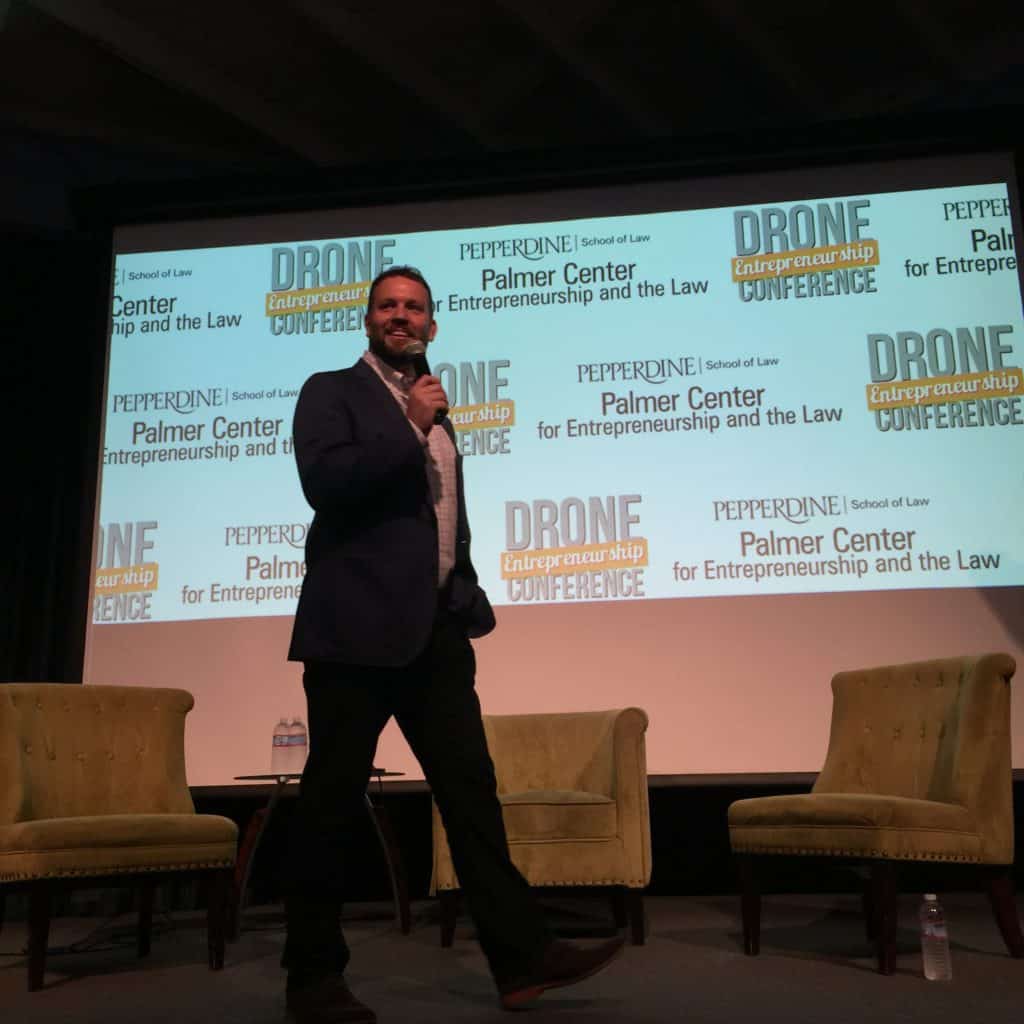
Conference Host And Emcee
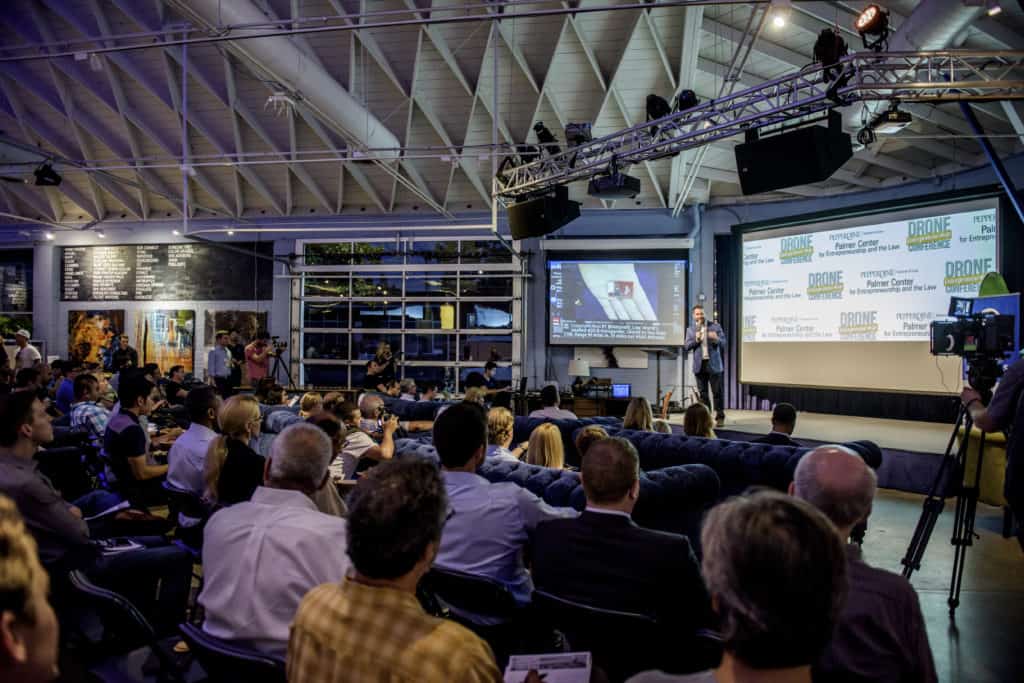
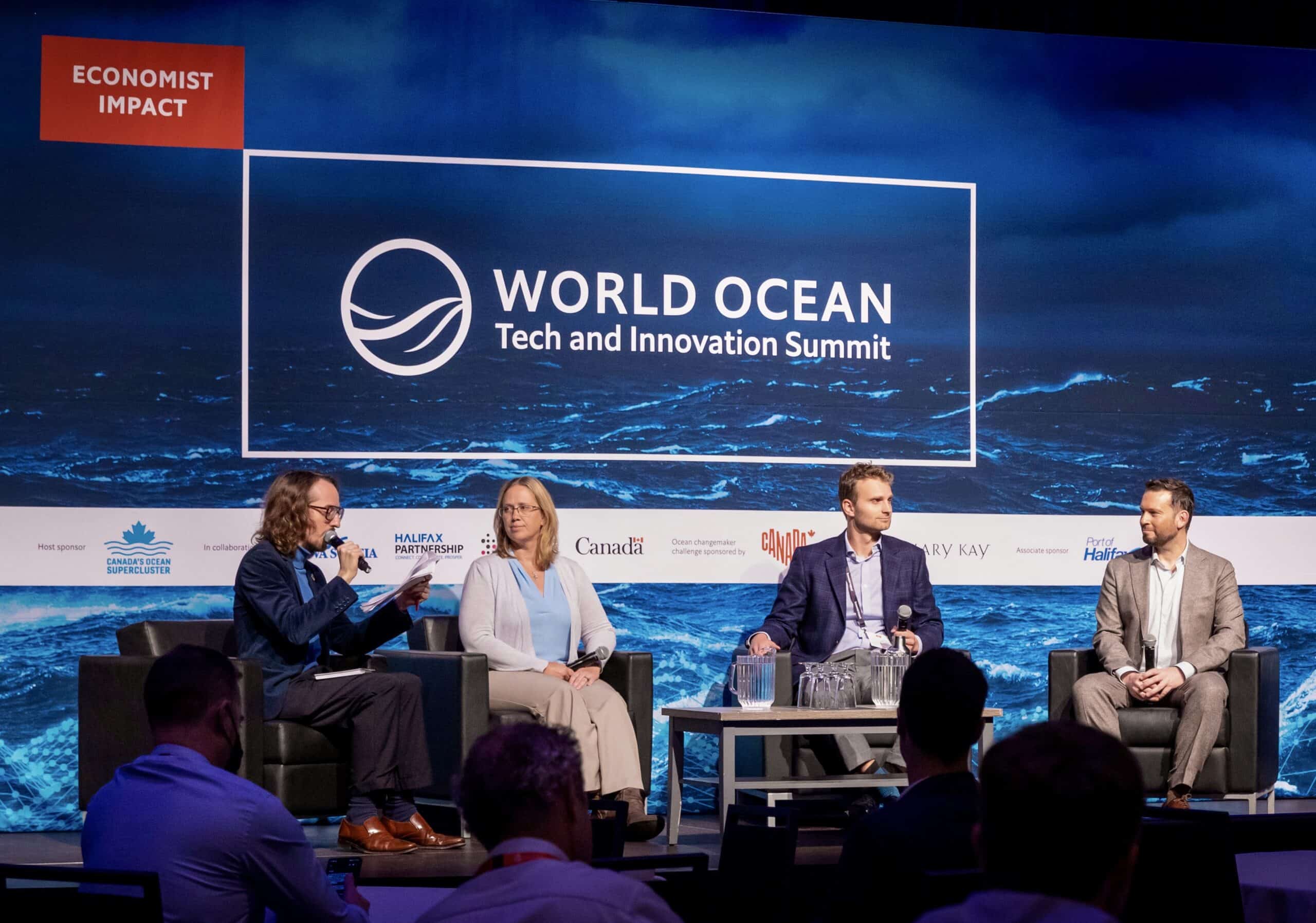
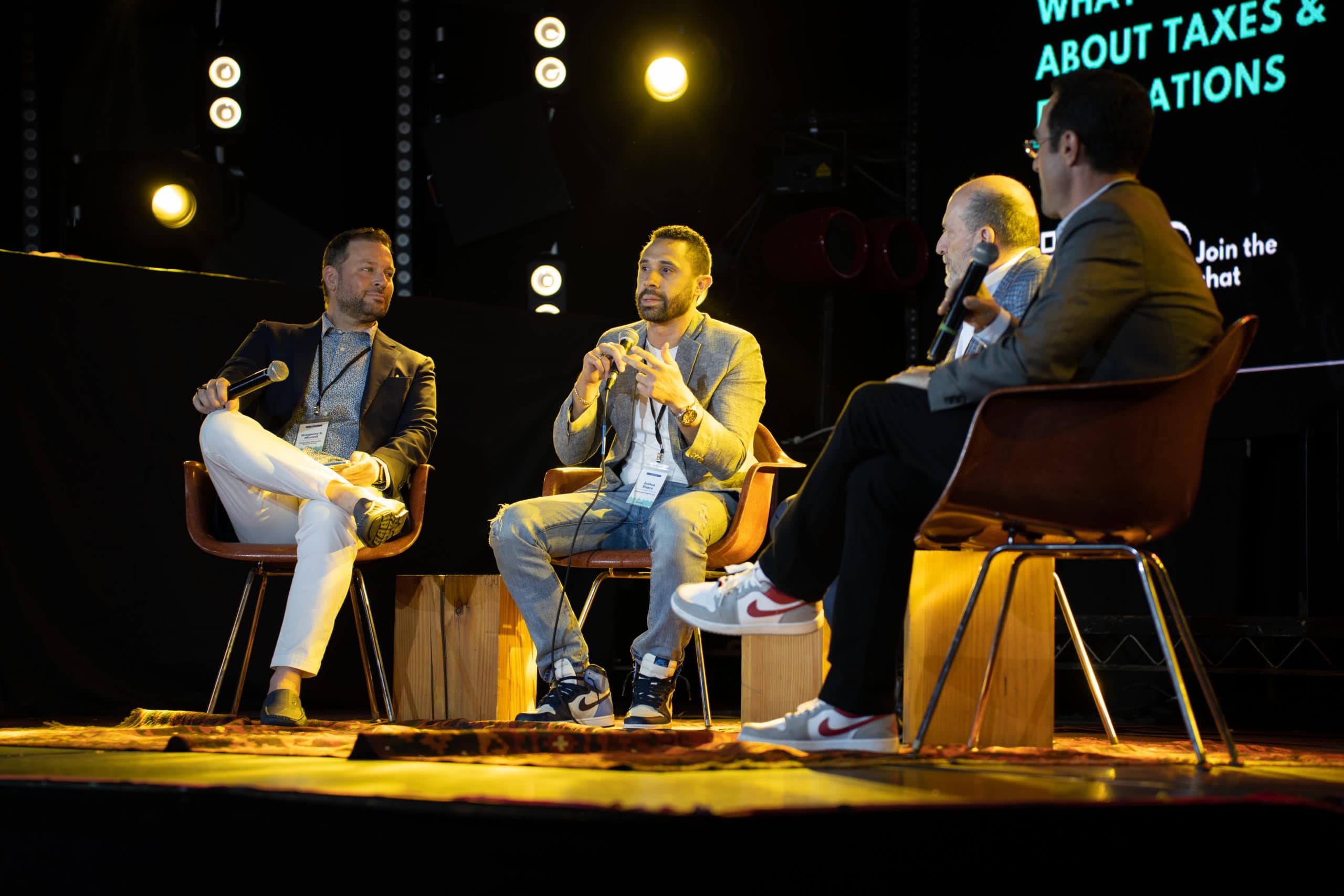
Organizers hand Greg the whole program when the day has to hold together, which means moderating the panels, introducing the sponsors, and keeping an audience in their seats through a long afternoon.
Technical Audiences
Technical leaders and engineers ask harder questions than policy audiences do, and Greg has spent years in front of them at aerospace, defense and autonomy conferences. He takes the questions in their own terms, and when an answer turns on something happening in Washington he can say what is actually going on there.
Book A Keynote
Send your date and your audience, along with what you want them doing differently afterward, and Greg will come back to you on availability and fit.
Get In TouchOn Stage
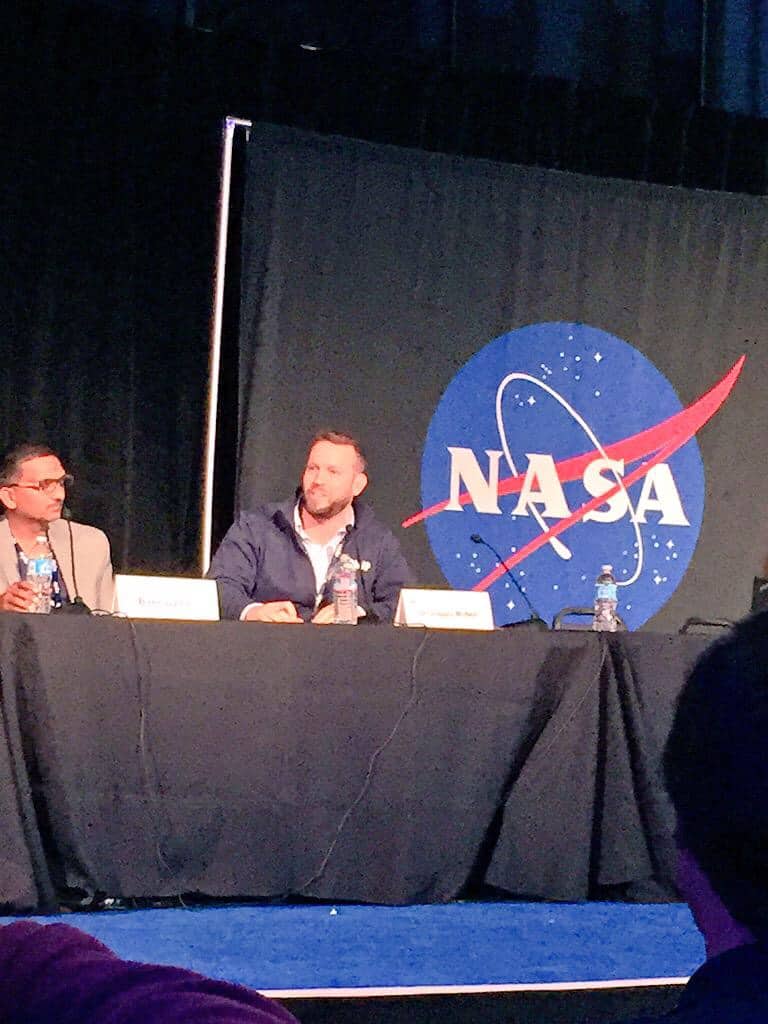
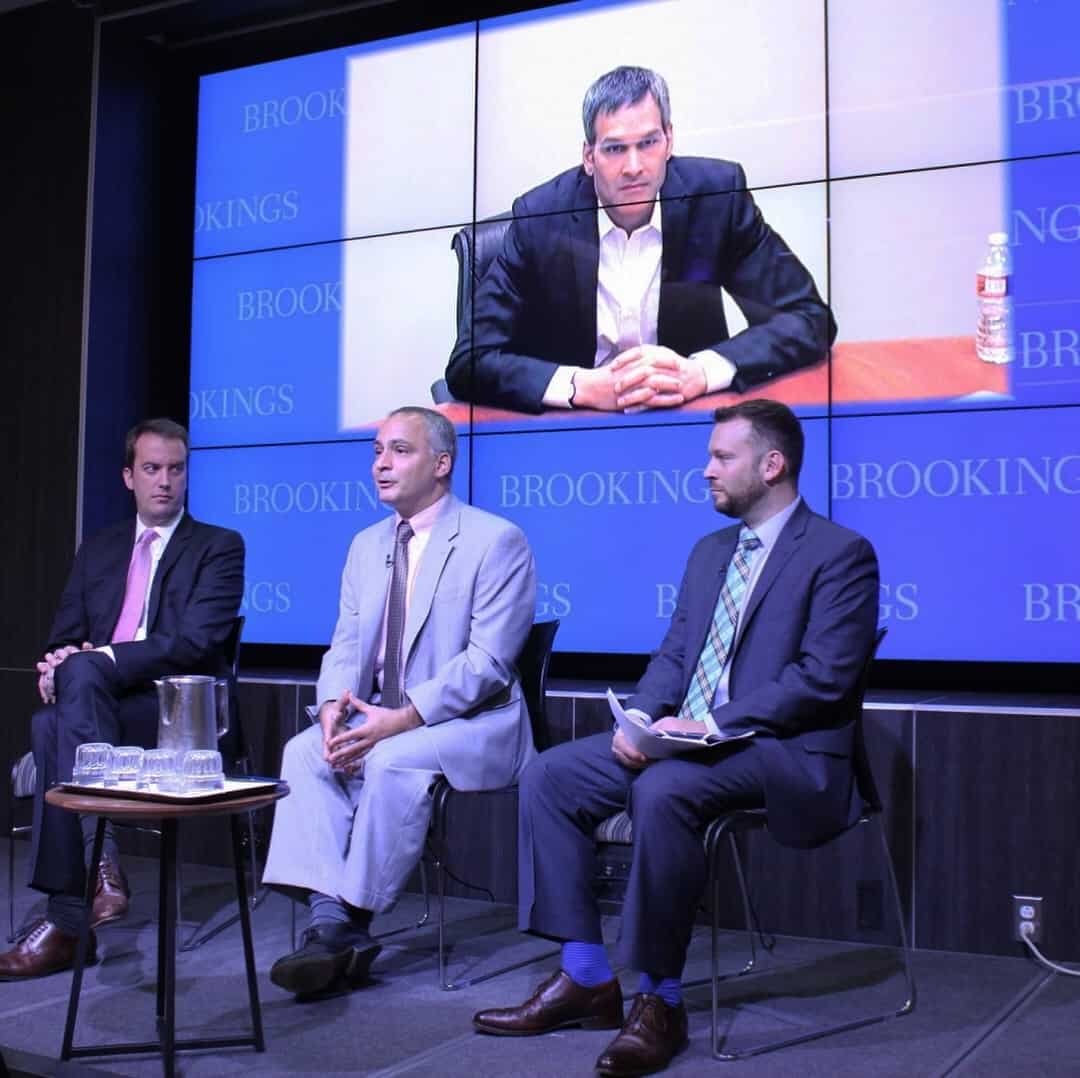
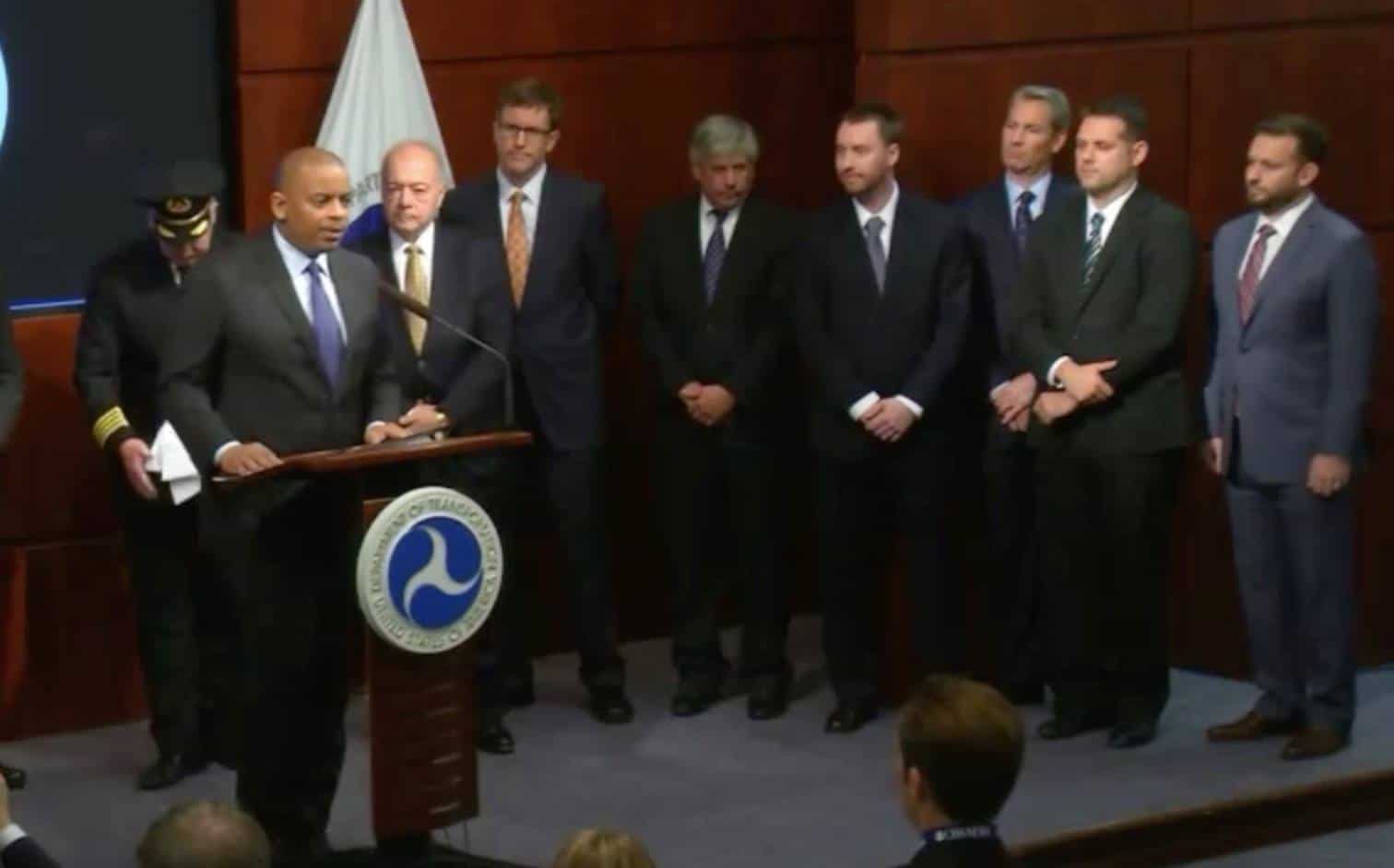
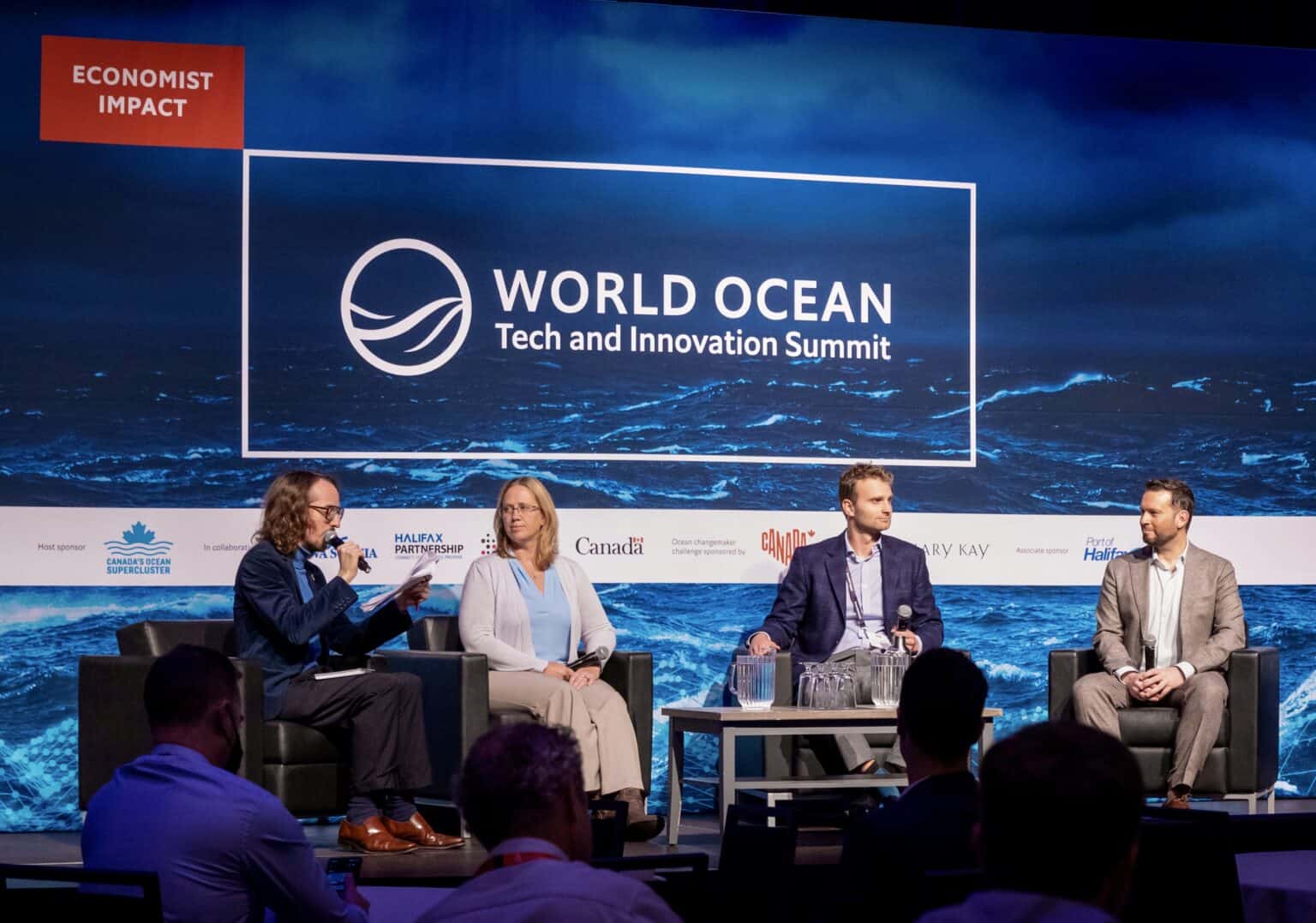
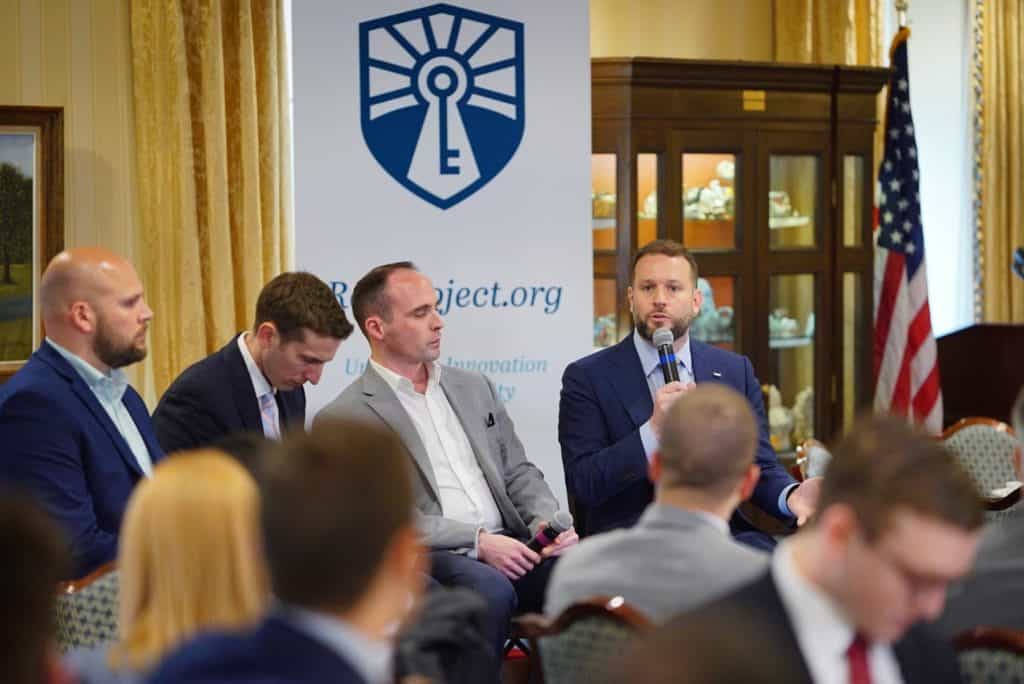
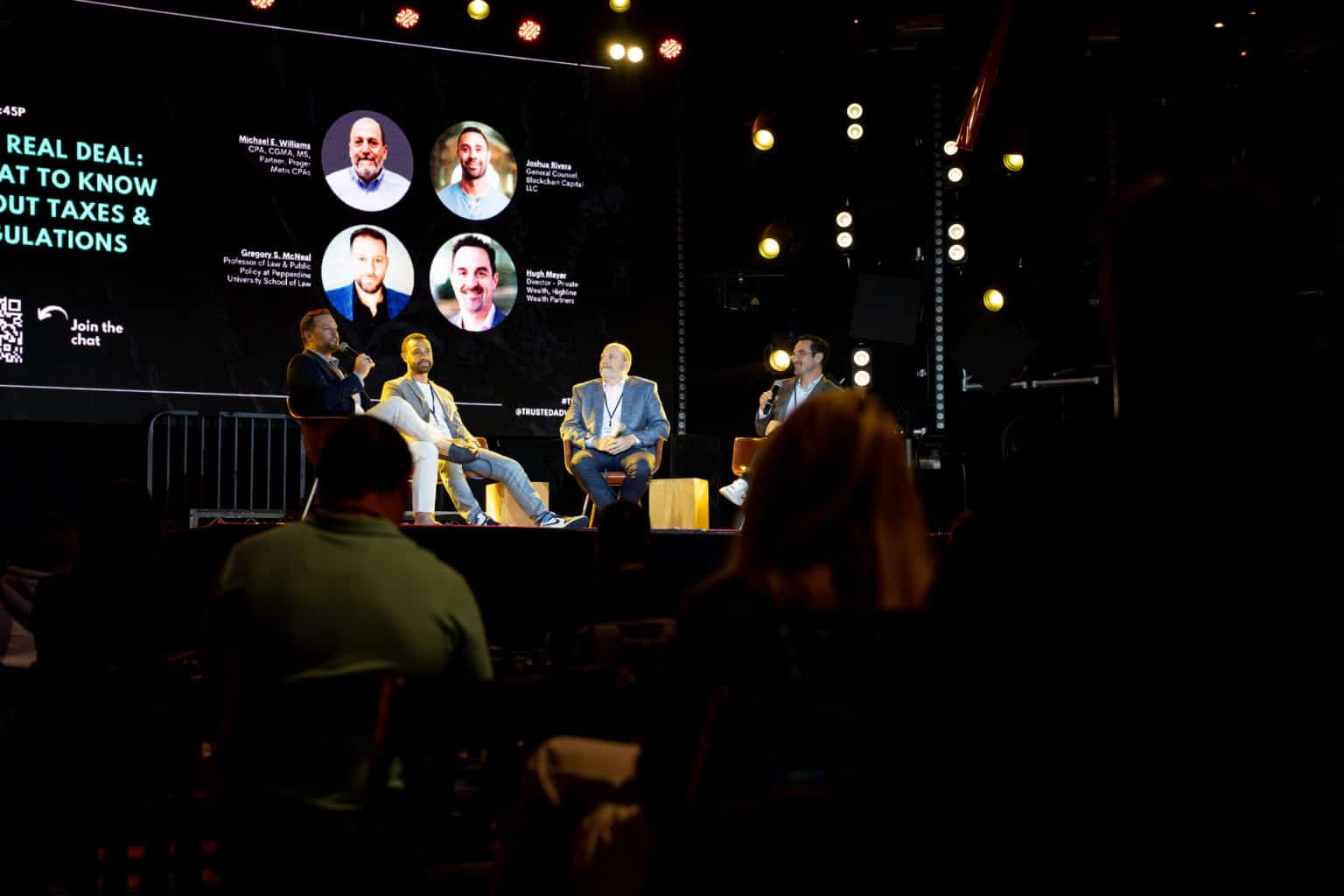
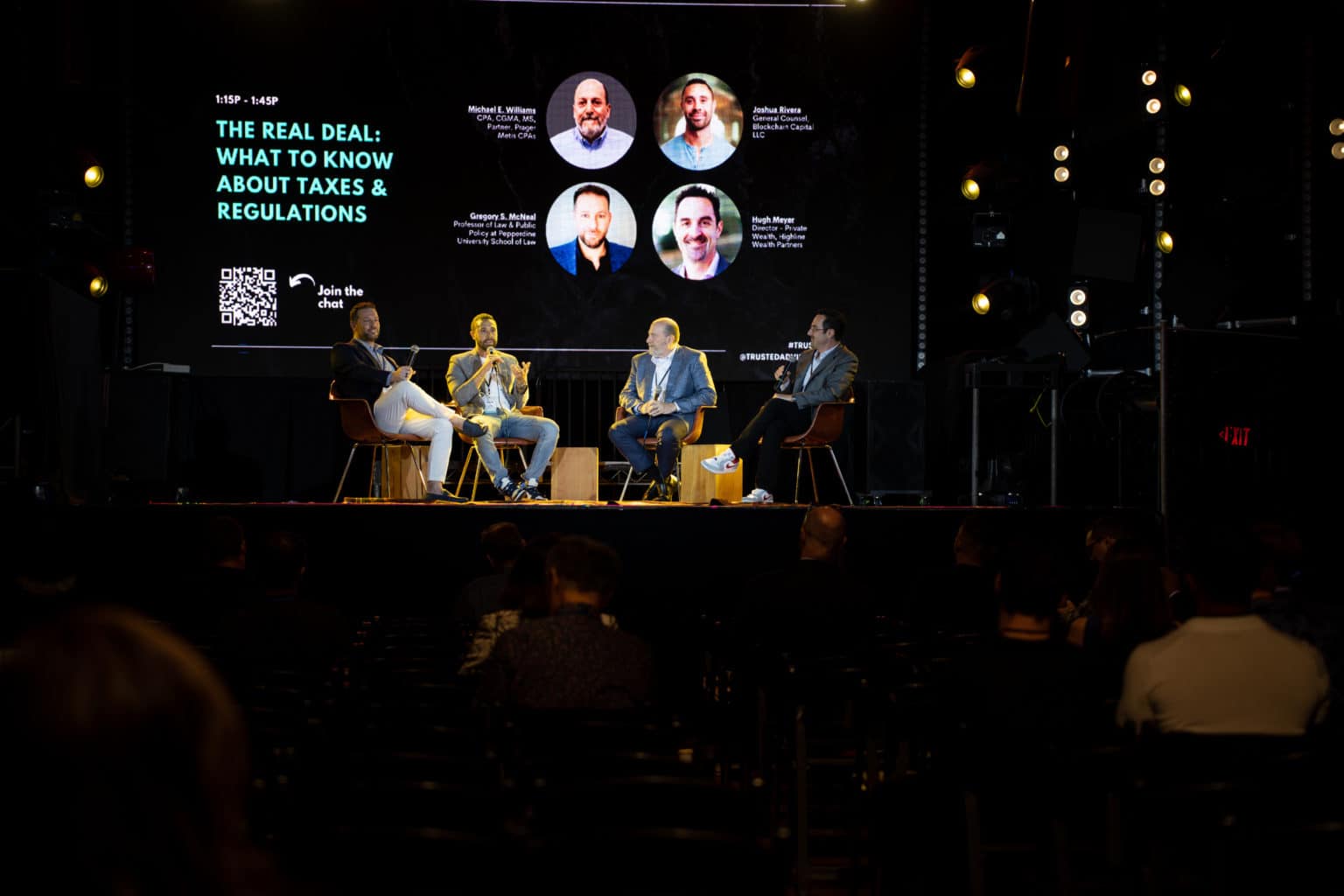
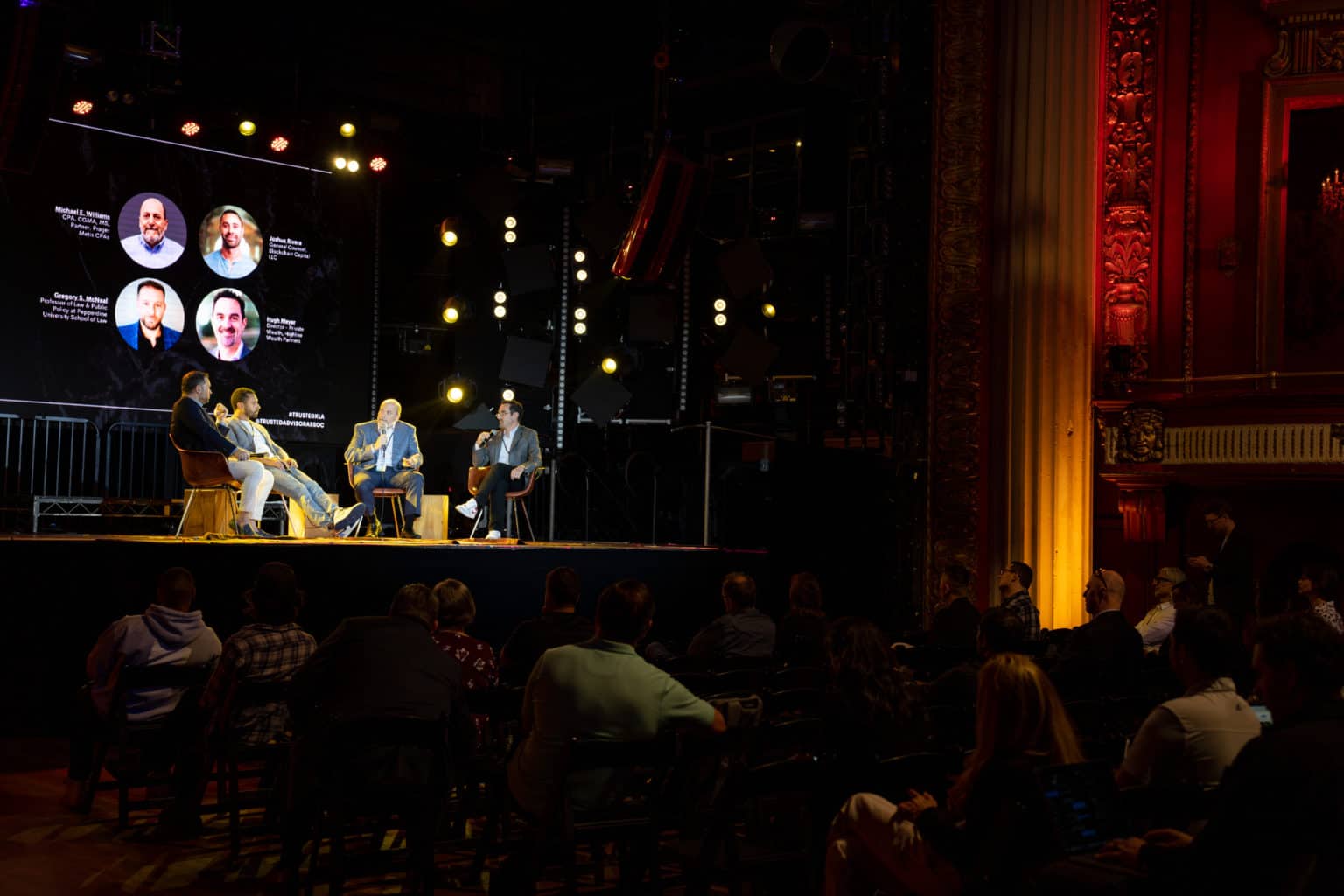
Conferences, industry associations, government agencies, and corporate events.